AEYN Mentorship Program | Mentor Diaries
“I believe that lasting conservation outcomes require not only scientific knowledge and policy interventions, but also emotional connections and community participation.”
— Daphne Ong
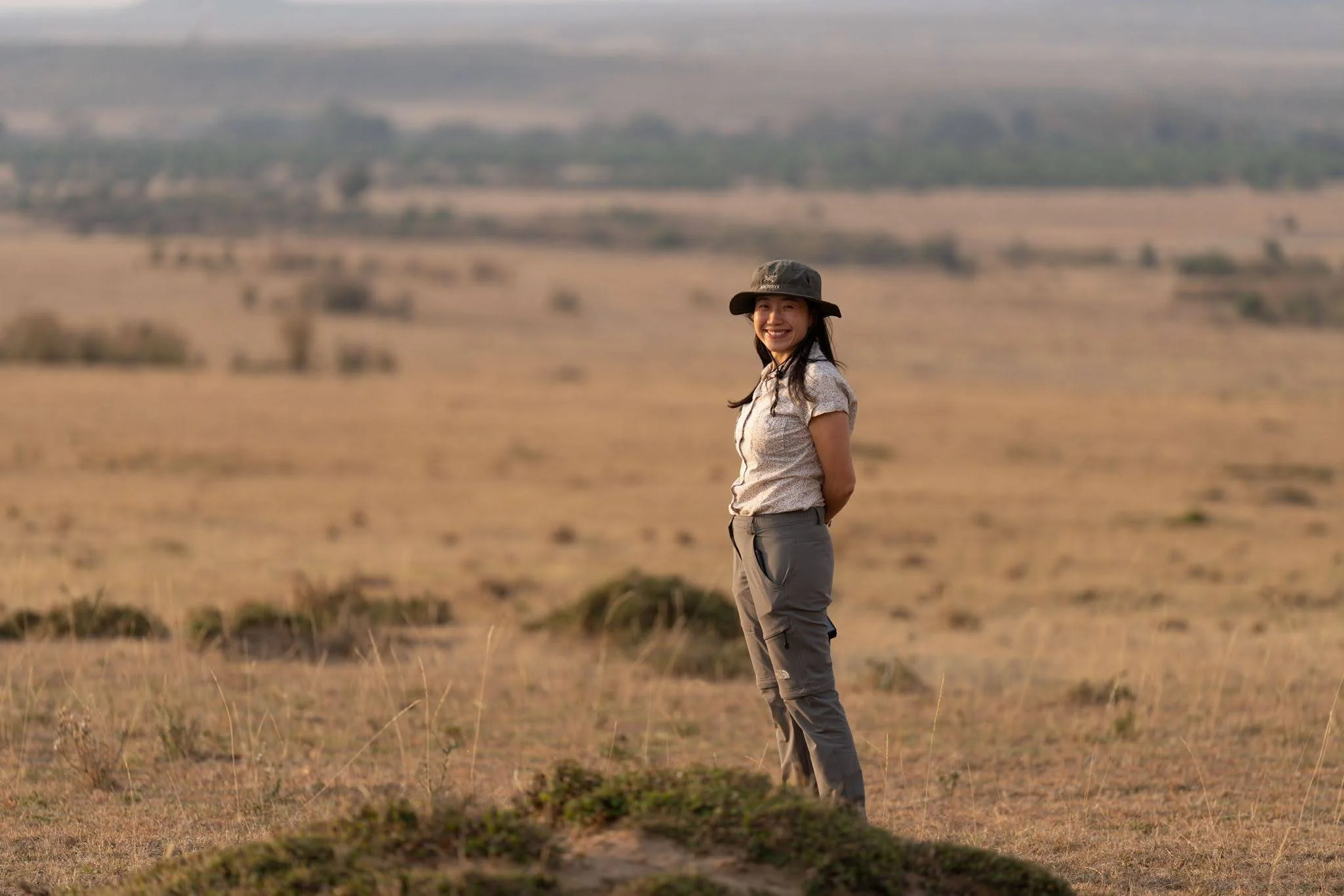
From Conservation to Connection
A film screening. A nature walk. An expedition. For Daphne Ong, each can be a way into conservation.
As Founder and Managing Partner of Wild Space, a Singapore-based social enterprise, Daphne works across conservation, education, storytelling, and responsible travel. Her background includes a Master’s in Conservation and Biodiversity and a Bachelor’s in Environmental Engineering, alongside experience in education, impact communications, and community development.
At Wild Space, she has worked with grassroots conservation organisations, Indigenous communities, researchers, educators, and local social enterprises. Her programmes have taken participants into conservation settings in Singapore, Indonesia, Kenya, Uganda, and elsewhere in Southeast Asia, with an emphasis on ensuring that travel and learning can also benefit local communities.
This same approach led her to establish the Earth In Focus Singapore Nature Film Festival, bringing together filmmakers, photographers, scientists, conservationists, and the public. For Daphne, these projects share a common purpose: “helping people see conservation as something they can actively participate in.”
Why Stories Matter
Daphne sees storytelling becoming increasingly important to environmental work. As biodiversity loss, climate change, and social well-being become more closely linked, environmental professionals must also find better ways to communicate complex issues beyond specialist audiences.
“Scientific evidence remains essential, but translating complex issues into compelling narratives that resonate with communities is becoming equally important.”
Her work with Earth In Focus puts this idea into practice, creating space for visual stories and regional voices in conservation. But she sees storytelling as one part of a much broader shift in the sector. Nature-based solutions, community-led conservation, and digital tools are also opening new ways to engage people and build action. As environmental work increasingly draws on different disciplines and approaches, young professionals need to be equipped to work across these boundaries. Daphne encourages them to develop “systems thinking, communication skills, empathy, and the ability to collaborate with diverse stakeholders.” She believes the strongest environmental solutions will come from people who can work across science, policy, business, and communities.
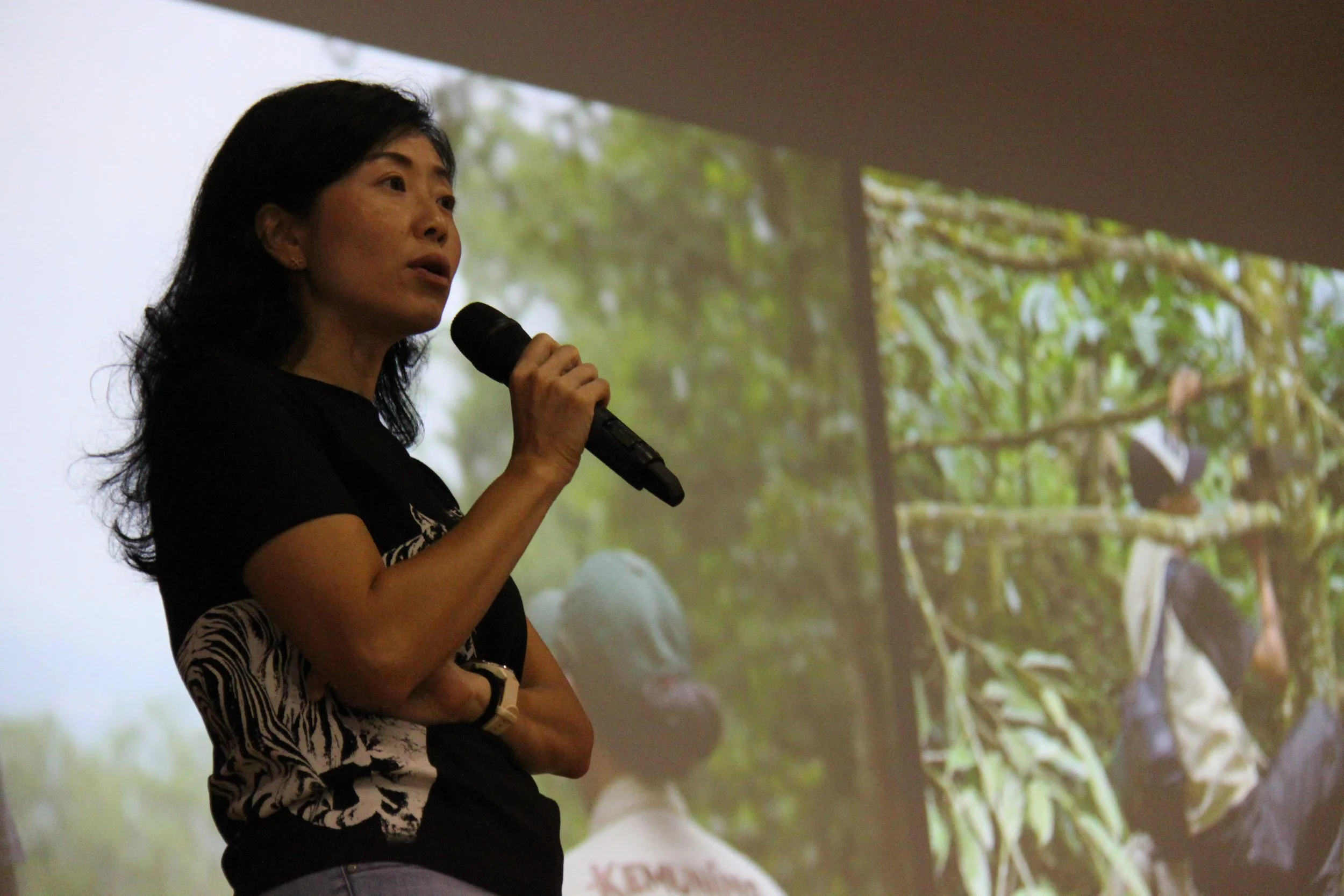
Keep Learning, Keep Showing Up
Daphne came to mentorship with an appreciation for what good guidance can offer. Her own mentors challenged her thinking, supported her through uncertainty, and helped her recognise opportunities she might otherwise have missed. Her experience with AEYN reinforced another important lesson: mentorship is as much about learning from others as it is about sharing what you know. “One of my key reflections is that mentorship is a two-way learning process. While mentors may share experiences and guidance, we also gain fresh insights from the next generation of environmental leaders.”
This openness to learning is also central to how Daphne thinks about building a career in the environmental sector. She recognises that the path can feel daunting. The problems are large, career pathways are rarely straightforward, and no one begins with all the answers. Rather than expecting young professionals to have everything figured out, she encourages them to approach their careers with curiosity and a willingness to keep learning.
“Don't feel pressured to have all the answers from the beginning. Stay curious, continue learning, and be open to opportunities that may take you outside your comfort zone.”
Alongside this willingness to learn, Daphne highlights the importance of building relationships along the way. “Build networks of peers, mentors, collaborators, and communities that share your values.”
These connections can offer support, open up new perspectives, and help people sustain their commitment to environmental work over time. As Daphne puts it, “The environmental sector needs people who can combine passion with patience, ambition with empathy, and expertise with humility.”
Thanks for reading! Are you interested in joining the AEYN Mentorship Program too?
Whether you're looking to learn from experienced professionals or give back by supporting the next generation of environmental leaders, we'd love to have you as part of the AEYN Mentorship Program.
Stay connected and be the first to hear about future mentorship opportunities:
🌱 Keep an eye on the AEYN Mentorship Program page for announcements about upcoming cohorts.
📩 Join the AEYN community to receive updates, opportunities, and programme announcements via Slack and email.
📱 Follow AEYN on Instagram and LinkedIn for the latest news, stories, and mentorship updates.
We look forward to welcoming you to a future cohort!
